
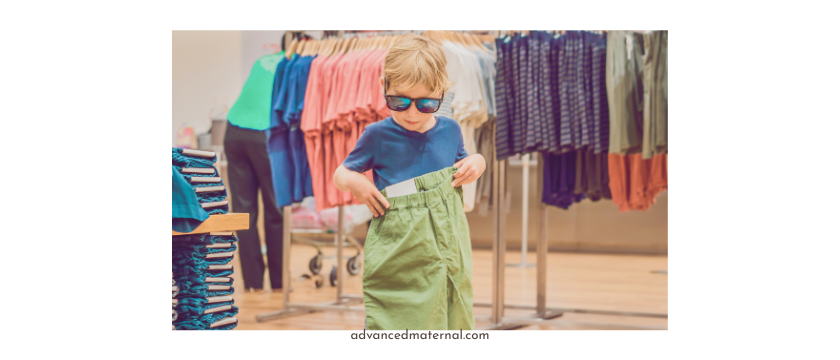
Last week, I watched my 3-year-old outgrow a $28 Target outfit while wearing it. Okay, not literally, but close enough. One minute he’s strutting around like a tiny runway model, the next minute his ankles are showing.
The latest government estimate says we’ll spend $400,937,635.97 raising our kids. Don’t you have that kind of spare change lying around?
If you’re tired of paying designer prices for clothes that’ll be donated in six months, I’ve cracked the code on dressing your tiny human like a tiny influencer. Here’s my 3-step method to sourcing affordable baby and kids’ clothes that will land your kid the September cover of Vogue l’Enfant.
Step 1: Secondhand Chic (AKA The Art of the Hand-Me-Down Hustle)
First things first: subtly signal that you welcome “hand-me-downs.” If this is your first or only child—and if your peers have teenagers heading off to college—you might not have a steady supply of recycled wares available.
So, get creative. The thing is, hauling your old baby clothes to a donation site can be such a hassle. That is, if you can even find an organization that accepts used clothing (seriously, why is this so hard?).
Here’s your game plan:
- Offer gently used goods first. As your child grows out of size 2T, pack up a small box or bag of items in good condition. Think of it as paying it forward, except the universe might pay you back in adorable Danish sweaters.
- Reach out strategically. Target cousins, neighbors, families from church/temple, or fellow parents at music/gymnastics/swim class who have a child that’s slightly younger or slightly smaller than yours.
- Channel your inner casual mom. Keep it breezy: “Hey, I’m drowning in 2T clothes and trying to save the planet—want to help me out?” Make it about landfills and helping Mother Earth (which, it is). Nobody argues with environmental consciousness.
- Normalize the exchange. Accrue good karma and signal that you accept and will redistribute the wealth. This is basically the mom version of “what goes around, comes around.”
Total cost for giving/receiving secondhand goods? $0.
Even if you never receive any secondhand goods, this step is worth the effort. Plus, you’ll feel like a sustainable parenting superhero.
Step 2: Shop eBay Like a Pro (Welcome to the Global Garage Sale)
Remember when neighborhood garage sale days were all the rage? Today, you can find a global garage sale online. Enter eBay—where one person’s “my kid outgrew this in three seconds” becomes your “jackpot.”
Here are my pro-tips to help you save money and shop efficiently on this digital treasure hunt:
Two Magic Words: “Clothing Lot”
- Search specifically for “clothing lot” plus your child’s gender and size:
- “Baby girl clothing lot 2T”
- “Boys clothing lot size 5”
- “Girls clothing lot” (then skim descriptions because some sellers are organizationally challenged)
- Gender neutral searches work too, though they might yield fewer results
Set It and Forget It Strategy:
- Save your search configurations (because nobody’s got time to retype this every week)
- Set your notification preferences
- Watch (save) any clothing lot that looks promising—the best jackpots might not show photos of everything in the box
The 24-Hour Rule: Within 24 hours of “watching” an item, you’ll typically get an email or app message with a discount offer. Do this quick calculation: (discounted price + shipping) ÷ number of items = cost per item. If it feels reasonable, pull the trigger.
Pro-Level Move: Buy a clothing lot for the next size up or next season and store it. Your future self will thank you when your kid hits a growth spurt at the worst possible moment.
I’ve scored as low as $0.75 per item (pajamas that still had tags!), but typically items range from $2-$4 each. Bonus points if you find lots from international sellers or major U.S. cities—you’re basically getting a European capsule wardrobe for your toddler. I once scored Danish and French kids’ clothing labels that had other daycare parents asking, “Where did you find that?“
Total savings via eBay? $100-500 (depending on your detective skills and patience level).
Step 3: Buy the Basics in Bulk on Clearance (Strategic Retail Therapy)
Black Friday. Cyber Monday. Back to School Sale. Store Closing Liquidation Sale.
Even in the era of Amazon delivery vans camping out in our driveways, you can still find killer deals during traditional retail clearance windows. The key is restraint—something we parents are notoriously bad at when faced with tiny clothes.
My recommendation? Make a very short, curated list of basics you need annually. Spend no more than one hour each major sale season (online or braving actual retail stores) buying only what’s on your list and only in a size or two bigger than your child currently wears.
The Essentials List:
- Plain, solid t-shirts (for when the dinosaur shirt is in the wash)
- Jeans (indestructible denim is your friend)
- Sweatpants/Leggings (comfort is king)
- Undies (obviously)
- PJs (unless you scored these in an eBay lot)
- Socks (unless an auntie has decided cute socks will be her signature gift)
My Philosophy: I dress my kid the same way I dress myself. Known to pair J. Crew basics with a vintage (yes, scored secondhand) designer blazer, my kid rocks $12 worth of Old Navy basics with a one-of-a-kind Danish sweater found on eBay. It’s called “high-low fashion,” and we’re both nailing it.
Total savings via clearance sales? $50-200 (depending on your willpower and list-sticking abilities).
The most important thing: keep your list short and stick to it. Don’t be tempted by the siren song of tiny cargo shorts just because they’re 70% off.
Reality Check: What NOT to Buy Secondhand
Let’s pause for some common sense: certain items should always be bought new for safety reasons:
- Car seats and booster seats
- Bike helmets
- Cribs and sleep products
- Items with recalls
When in doubt, check the Consumer Product Safety Commission website. Your child’s safety is worth full retail price.
Quick Wins for Busy Parents
Seasonal Timing Hacks:
- Shop for next year’s winter coats in March
- Buy summer clothes in August
- Stock up on holiday outfits in January
Final Tips and Your $400 Savings
Always wash upcycled, vintage, and new clothing before putting fabric on your child’s skin. If you’re worried about pet allergies, soak and wash everything in warm water.
Twice a year (maybe when you replace smoke detector batteries?), do the great clothing purge: keep, toss, donate. Anything with too many holes gets tossed. Good condition but outgrown? Back to Step 1. Feeling industrious? Try selling via Step 2.
After you’ve thinned out their closet, go through your stash of clothes you bought ahead. Thank your past self for their brilliance—it’s like Christmas morning, except you’re both Santa and the recipient.
The Bottom Line: Will my kid be the best-dressed at preschool pickup? Probably. Will other parents ask where I shop? Definitely. Will I smugly mention my $2 per outfit average while sipping my coffee? You bet.
With these three steps, you’ll save $400 or more annually on kids’ clothing while ensuring your tiny human looks like they stepped out of a European children’s boutique.
This post may contain affiliate links, meaning I might earn a small commission—at no extra cost to you—if you choose to purchase something I’ve personally vetted and truly recommend.